Challenging Basic Translation Theory


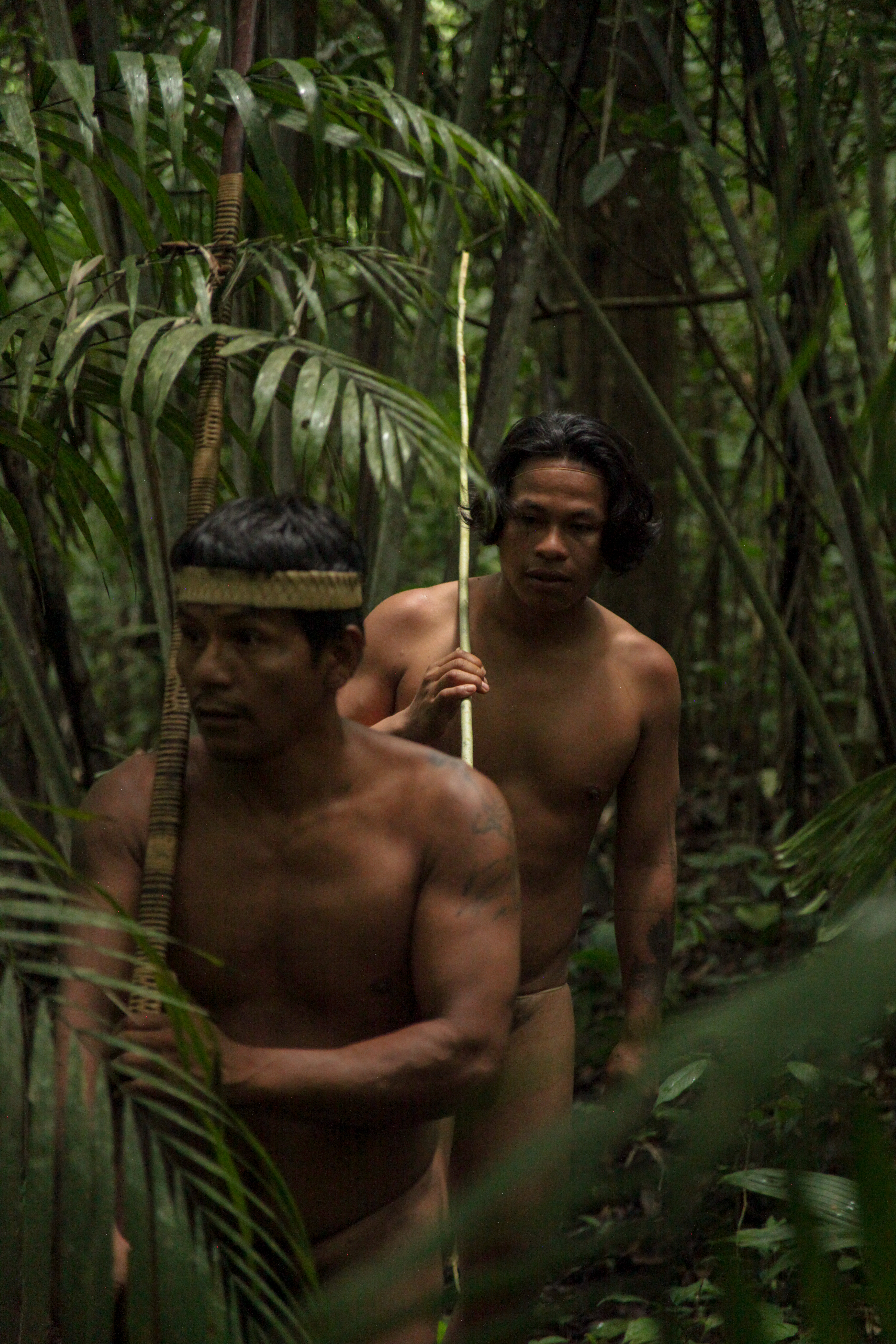
Why does Translation Studies’ reception of Eugene Nida primarily revolve around his practical bible translation strategies? What past and present motivations for missionary translation in indigenous communities remain largely unmentioned? What reflections on translation inspire new degree programmes in interpreting and translating for indigenous languages?
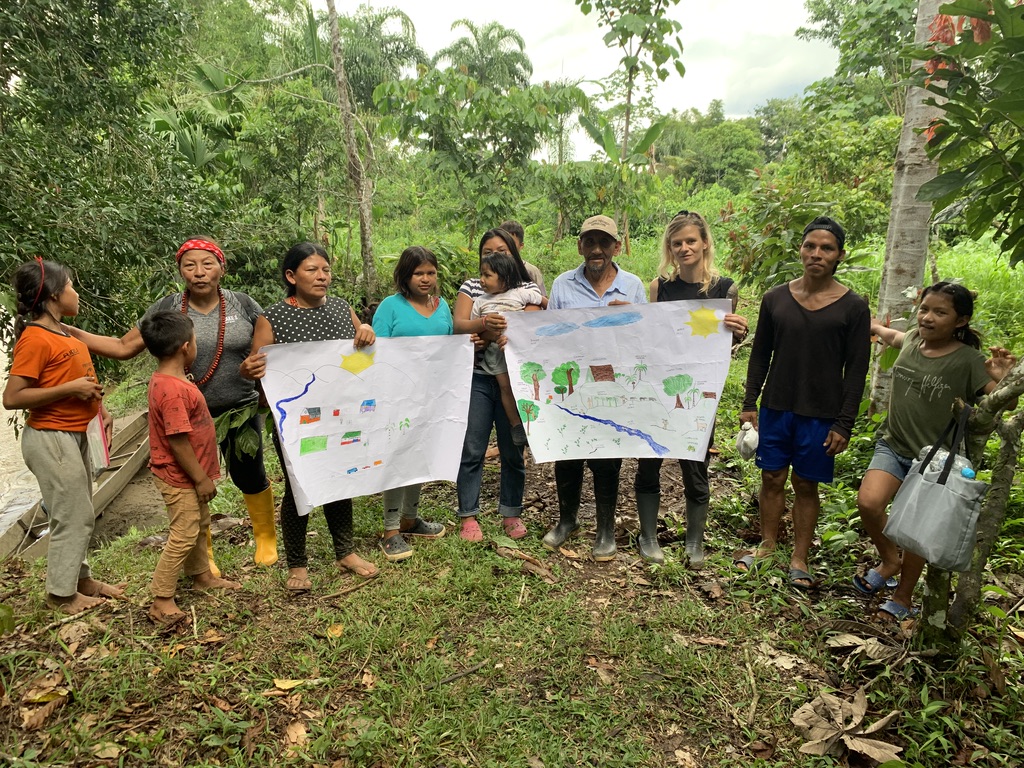
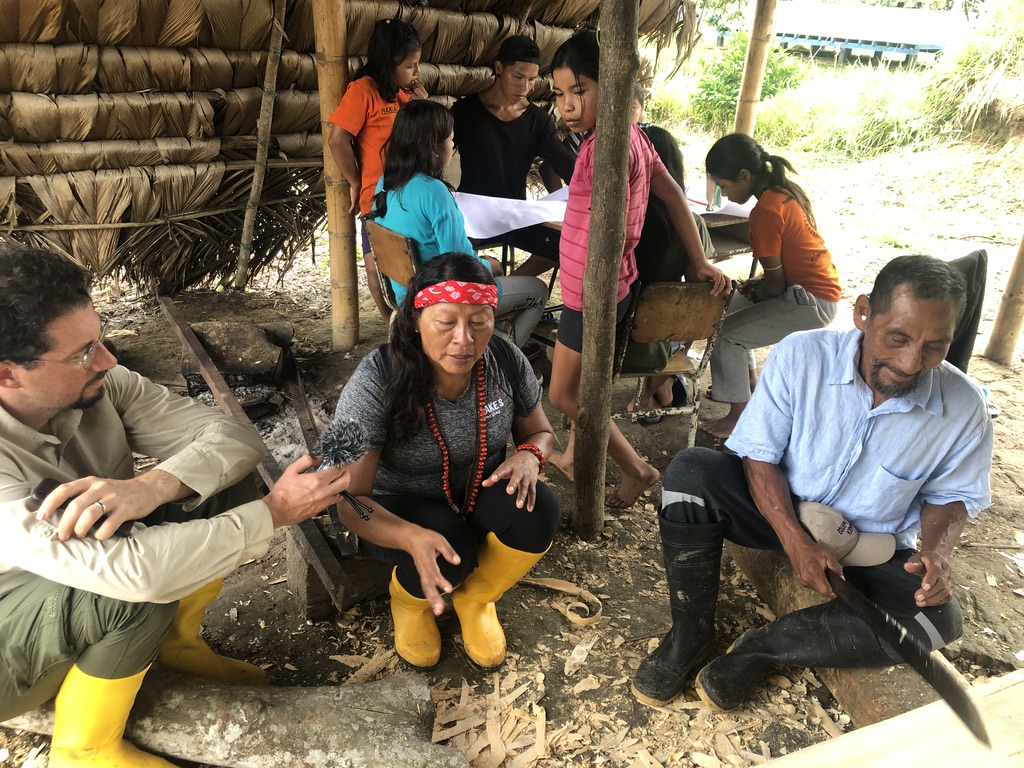
Against this backdrop, our project aimed to impulse a self-critical rewriting of the discipline’s past and future. By means of archival research, interviews and participant observation in Peru, Mexico and Ecuador’s Amazon region, we discussed what Translation Studies leaves out when canonizing Eugene Nida. We also examined the extent to which current study programmes in indigenous interpreting and translating contribute to decolonising translation theory by including the “cosmovision” factor. We believe that there is an urgent need to substantially engage with cosmovisions also in „Western“ migrant societies, especially as addressing these questions is important for conceptualizing, teaching and practising translation. Thus, an expansion of the Cultural Turn’s framework of thought is needed to encompass all these translational concepts and practices. By questioning central premises of the Cultural Turn, we aimed to spark debates that might even lead to a Cosmovision Turn.
Project duration: February 2022- January 2024

Funded by: FWF (1000-Ideen-programme). Through the 1000-Ideen-programme, the FWF supports completely new, daring or particularly unconventional research ideas. Out of 271 submissions 22 projects were approved. They all show visionary ideas and thus high transformative potential for research.
Header image by Miguel del Cuadro/ instagram: @miguel_delcuadro
„The idea behind the mural proposes the integration of shadows through recognition, which is known as the process of individuation according to Carl Jung. These are the inner demons that we keep inside and that grow larger from childhood if they are not recognized. That is why the snake and the jaguar look playful with their big eyes, representing that childishness.
The image has Amazonian influence because I love jaguars and snakes, and my paternal family is from the Amazon rainforest.“
 Translating Cosmovisions