18. June 2025
Interpreting and indigenous languages
This two-part event at the university of Graz sought to discuss interpreting for indigenous peoples in a very special case.
On March 19, 2025 the Inter-American Court of Human Rights (Corte IDH) informed the public about its landmark ruling from September 4, 2024. The judges in the case “Pueblos Indígenas Tagaeri y Taromenane Vs. Ecuador” held the State of Ecuador accountable for the violation of fundamental rights of the Tagaeri-Taromenane. What is most important for the analysis of interpreting and translation acts during one of the hearings of the trial by our guests: The Waorani and the Tagaeri-Taromenane have kinship ties and speak the same language (Waoterero) with dialectal variations.
EVENT I: Insights from the international NGO Fundación Pachamama and the indigenous alliance Cuencas Sagradas
The international NGO Fundación Pachamama supports indigenous autonomy and climate justice working closely with local communities and international partner organisations. The indigenous alliance Cuencas Sagradas unites over 30 indigenous organisations in its goal to preserve more than 35 million hectares of Amazon rainforest in one of the most biodiverse regions of our planet. Interpreting into and from indigenous languages is key to their daily work.
Eduardo Pichilingue Ramos, director of Pachamama Alliance Peru und Coordinator of Alianza Cuencas Sagradas in Peru, will discuss with us the sociopolitical intricacies of interpreting in his area of work. Detailed insights into interpreting scenarios with state representatives, oil companies and during field visits to the Amazon rainforest will revolve around the following questions: What are the translation policies and power relations governing these encounters? What modes of interpreting do the untrained interpreters employ? How do indigenous interpreters mediate between cosmovisions, cultures and capitalism?
EVENT II: Insights from the case Tagaeri Taromenane vs. Ecuador before the Interamerican Court for Human Rights
On March 13, 2025 the Interamerican Court for Human Rights issued a revolutionary ruling in the first case worldwide to be presented to the Interamerican System for Human Rights on the rights of indigenous peoples in self-determined isolation. After 19 years, the state of Ecuador was declared responsible for the violation of fundamental human rights to the detriment of the Waorani family groups in isolation, the Tagaeri Taromenani, and other indigenous groups in isolation.
Roberto Narvez, legal anthropologist and together with Eduardo Pichilingue part of the plaintiffs’ team, will discuss with us the failure to provide adequate interpreting in the trial to the testifying Waorani people. Their expert opinions on this unprecedented trial will provide answers to the following questions: How was interpreting and translating organised or not organised in the trial? What is the importance of guaranteeing that the court understands cosmovision-based evidence? How is cultural and linguistic mediation even possible between a court and indigenous peoples in isolation and recent contact?
11.–15. October 2024
Days of Indigenous Resistance 2024
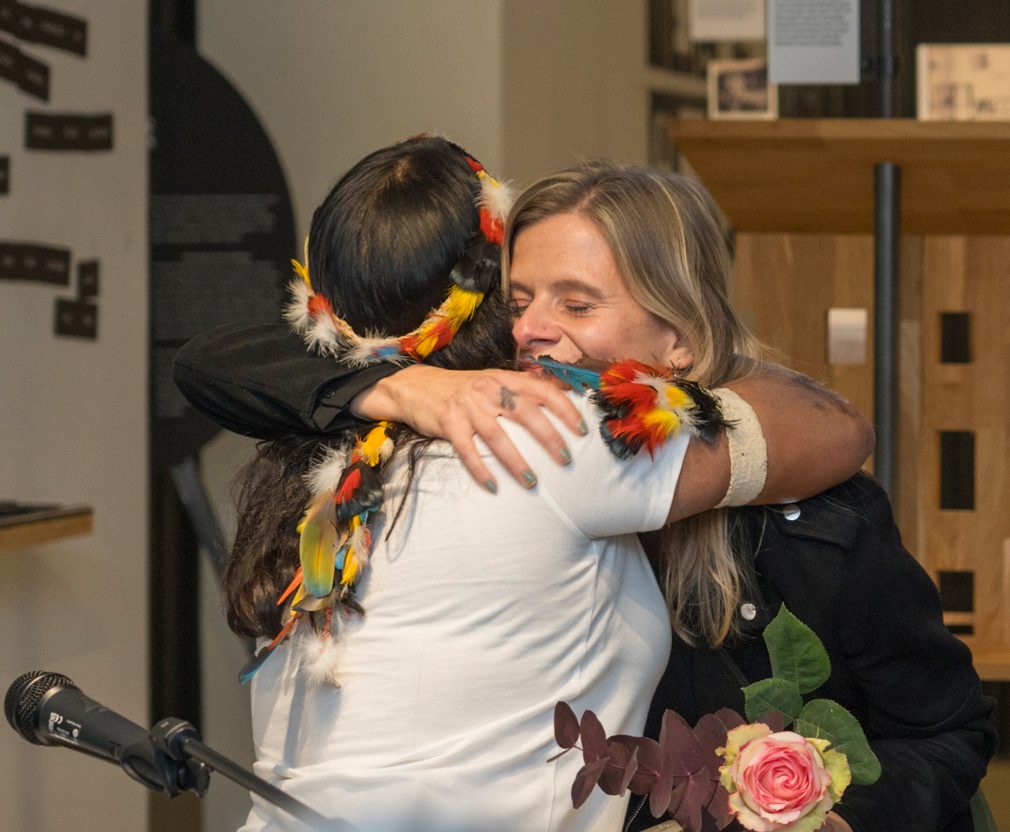
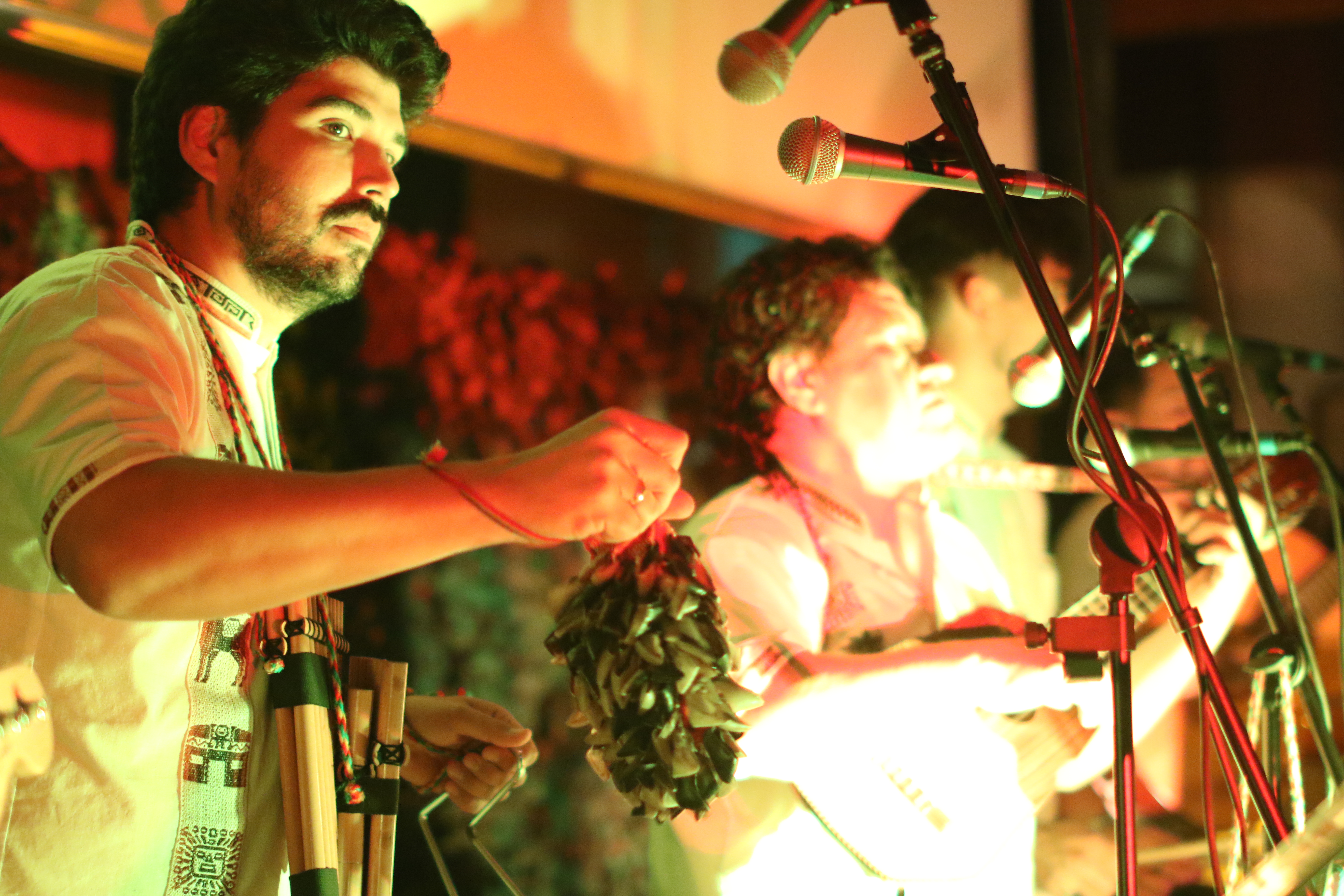
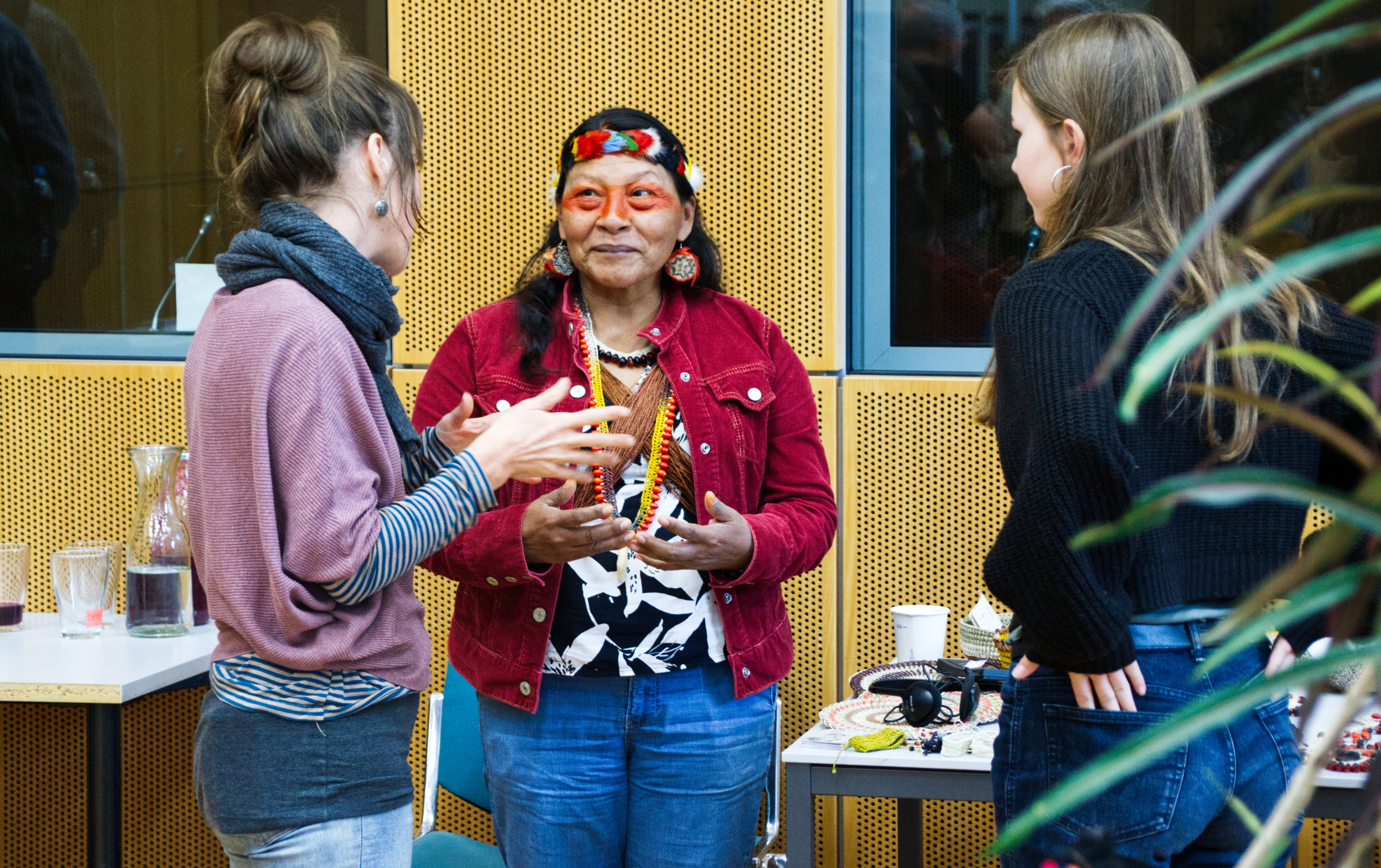
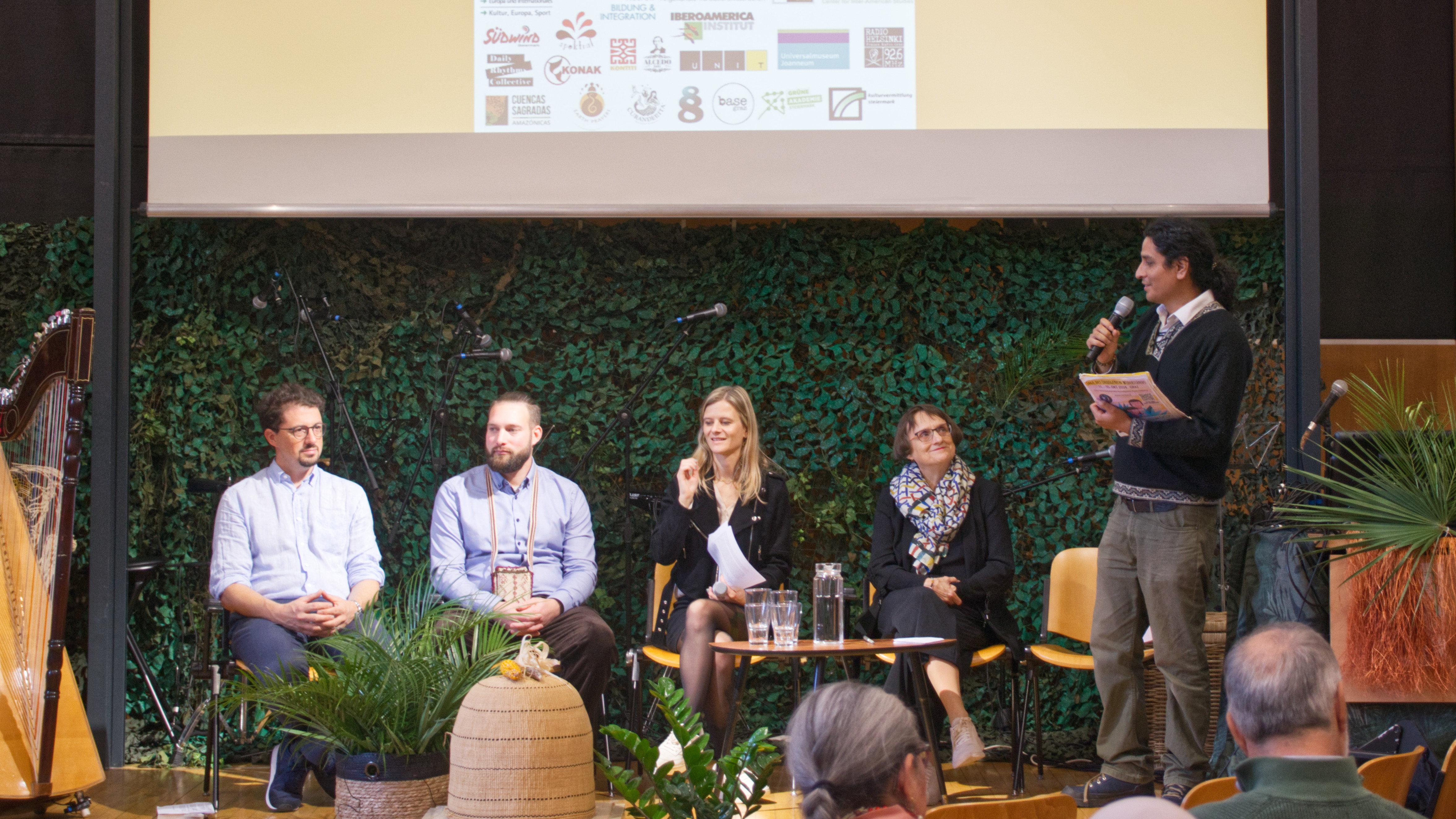
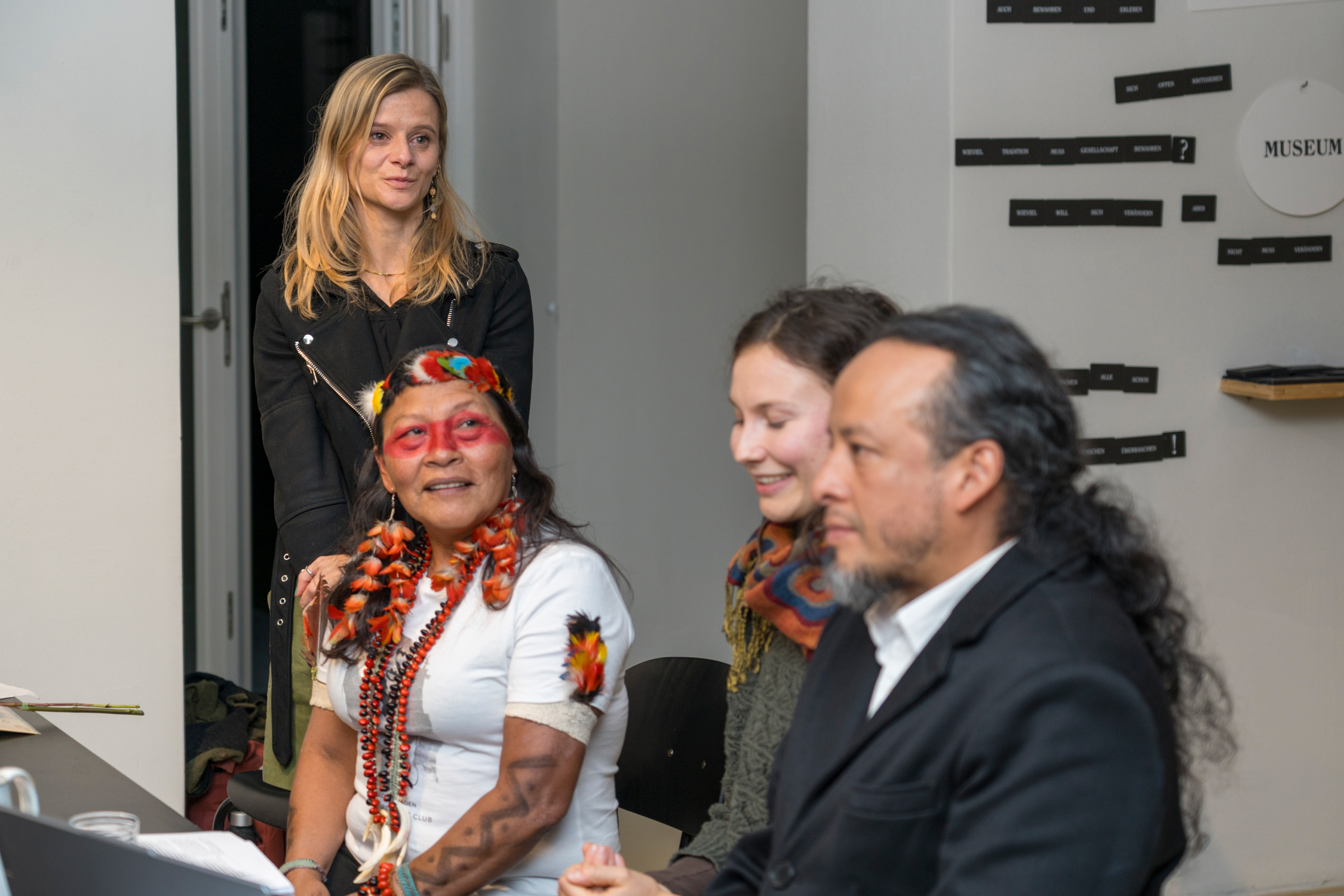
At various locations in Graz, workshops on indigenous languages, art installations, joint actions, concerts, and lectures by indigenous activists, human rights defenders, and researchers took place. The conference on October 12th focused on historical resistance movements of indigenous communities and highlighted current threats to indigenous territories, rights, and human rights defenders. As keynote speakers, we managed to bring the indigenous leader and founder of the women’s organization of the Waorani from the Amazon region of Ecuador, Manuela Omari Ima, and the ecologist and regional director of the Cuencas Sagradas Alliance Peru, Eduardo Pichilingue Ramos, to Graz. Manuela Ima spoke about how women were enabled to find alternative income to oil extraction and political participation. Eduardo Pichilingue explained how Cuencas Sagradas aims to protect more than 35 million hectares of rainforest in Peru and Ecuador, where 600,000 people from more than 30 indigenous peoples live.
29. April 2024
Language, Cosmovisions, and indigenous identities – an interdisciplinary conversation with René Kuppe
Based on many years of field research in the Amazon region, René Kuppe and Christina Korak explore the significance of language and translation in profound evangelisation processes and the associated serious effects on identities, territorial and cultural rights. They also discuss how language and translation can be used as a tool for self-determination and to resist extractive projects in territories.
24. April 2024
Talk with Amazonian indigenous Aimema Úai
The Muina-Muruy, to whom the artist Aimema Úai belongs, shape their relationships with their territory in close connection with the beings that inhabit it and with practices, memories and stories that have been handed down orally for generations. This knowledge, internalised through constant exchange with his parents and grandparents, is transculturated and translated by Aimema for the majority society: in murals, paintings and yanchamas. These illustrate both the art of working with medicinal plants such as tobacco and coca, but also tell the harrowing story of the genocide of his ancestors during the rubber boom.
A co-organised event by the Indigenous Rights Collective (INRICO).
16. November 2023
Los mayores – Custodios del saber Cofán
Discussion with the Venezuelan photographer and activist Antonio Briceño, followed by the opening of the photo exhibition.

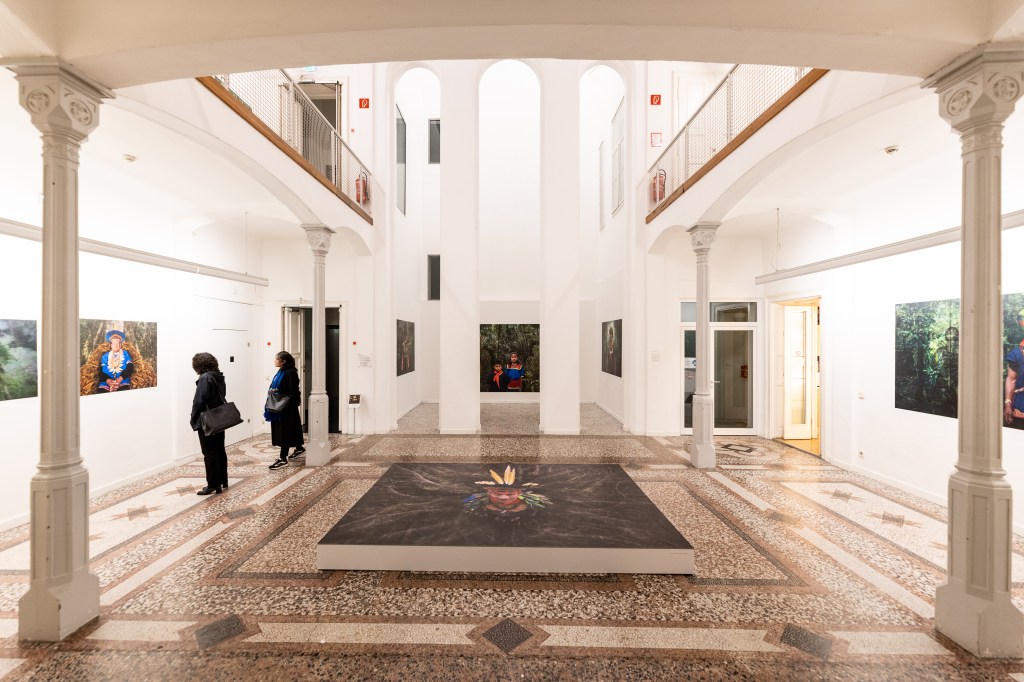

(c) Nikola Milatovic
15. November 2023
“El Limbo de Culebra” – Movie screening and discussion with Antonio Briceño
Film evening and commentary with Antonio Briceño on the film ‘El Limbo de Culebra’. A documentary (2015, OV: Spanish. Director: david Cerqueiro, Production/Research: Alessandra Caputo-Jaffe, Sound: Valesca Merizalde, Subtitles: Pedro Marrero) about the forced contact and recovery of the historical memory of the Ye’kuana indigenous people.


(c) Nikola Milatovic
18. October 2023
Online-Round Table: Translation and Cosmovisions – A meaningful alliance?
This open discussion with experts Khairani Barokka, Rosaleen Howard, Edson Krenak, and Joshua Price on the connection between translation and cosmovisions from a political, conceptual and practical perspective facilitated a dynamic exchange of ideas. The talk was followed by an open discussion with the audience via Zoom.
18.–20. October 2022
200 Jahre Unabhängigkeit Brasiliens. Tribuna 22.2
The 7th of September 2022 marked the 200th anniversary of Brazil’s declaration of independence from Portugal. In view of the prevailing social and political inequalities in the country and in the run-up to the presidential elections, the Tribuna Festival aims to critically discuss these 200 years. Over two days, talks and brainstorming sessions with researchers and activists guided guests through Brazil’s history, politics, social conflicts and cultural diversity. The event included workshops on indigenous languages and traditional dances, an exhibition specially designed for schoolchildren, an intercultural market, and concerts.
31. March 2022
Amazonas Akut! Tribuna 22.1
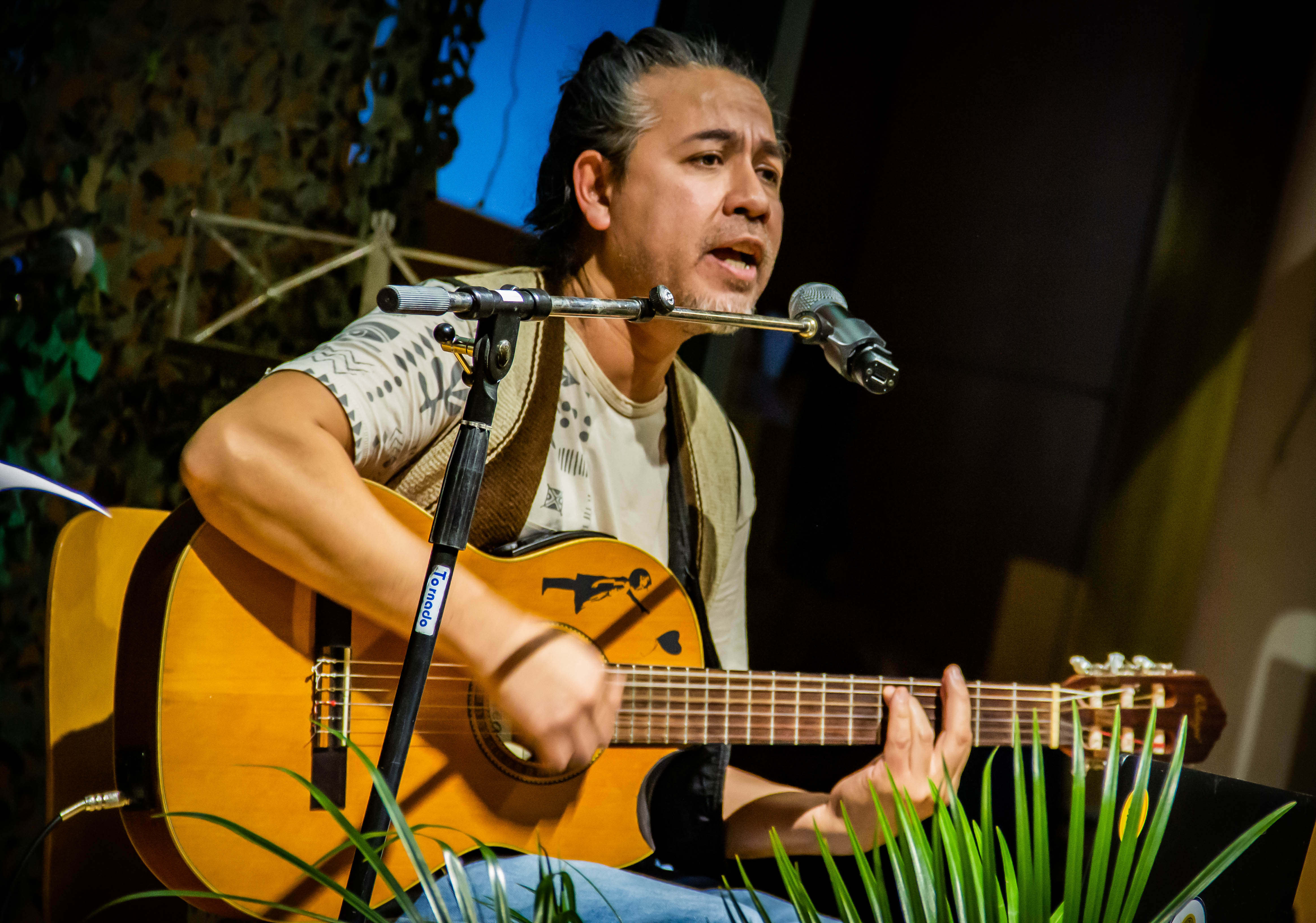
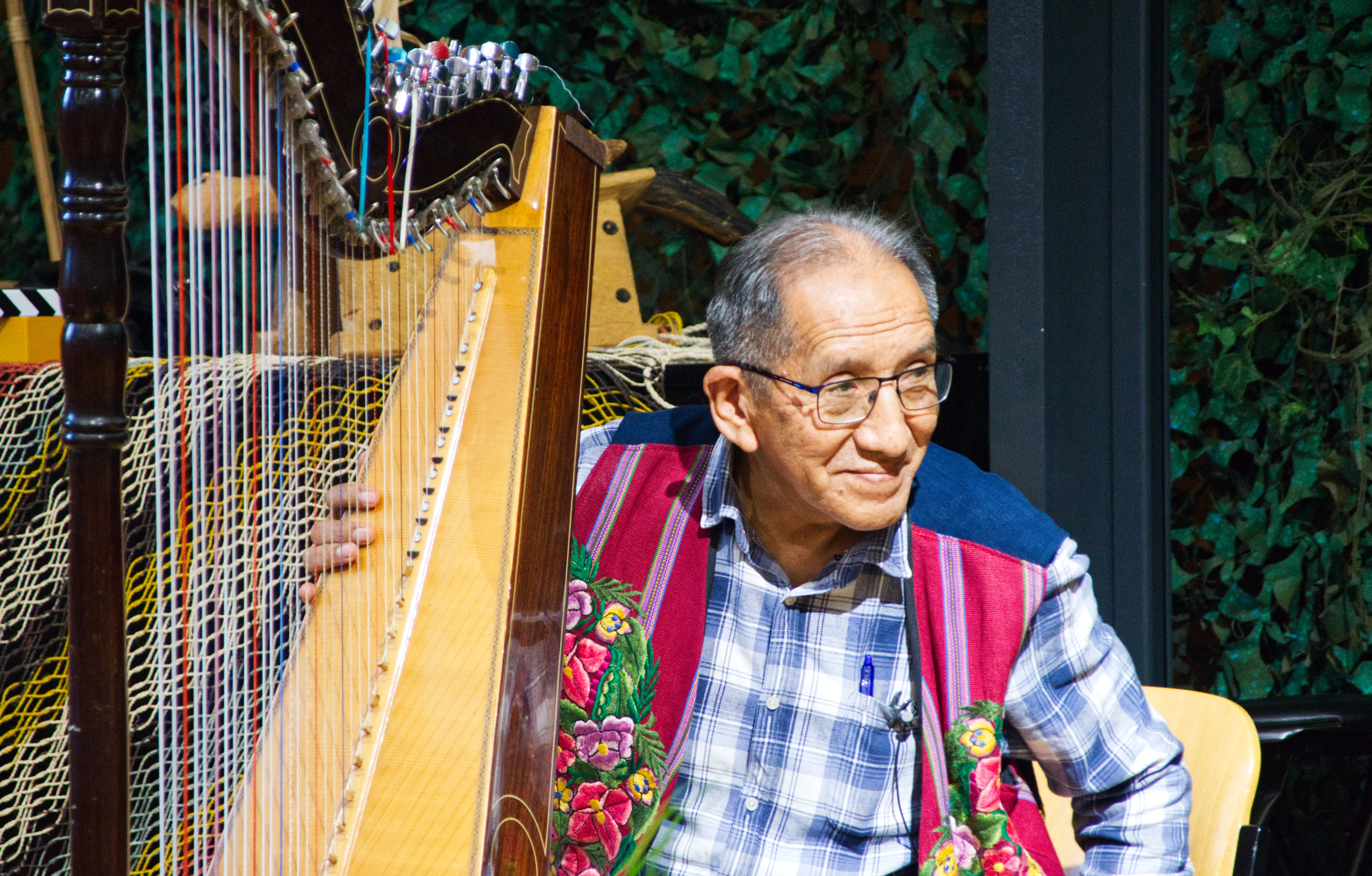
Tribuna Festival 2.0 addressed socio-cultural and economic challenges between Graz (Austria), the countries of Latin America and Spain. Tribuna offers spaces for discussion in order to take on global responsibilities in the face of challenging social and economic issues. Tribuna promotes proactive exchange and creates opportunities for action for each individual festivalgoer.



-
Subscribe
Subscribed
Already have a WordPress.com account? Log in now.
 Translating Cosmovisions